

Alabama’s economy, infrastructure, and daily operations depend heavily on access to water. From the Port of Mobile and Mobile Bay to inland systems such as the Tennessee River, Black Warrior River, and Tennessee-Tombigbee Waterway, these routes support shipping, flood control, recreation, and public safety. Keeping these systems usable does not happen by chance. It requires planning, consistency, and experience. Routine dredging is the foundation of that effort. Instead of reacting to blocked channels or stranded vessels, Alabama communities rely on steady maintenance to keep waterways functioning as intended. Through hands-on experience and a strong understanding of local conditions, Bama Dredge services support the long-term maintenance of navigable waterways across the state.
What Is Routine Dredging?
Understanding Routine Dredging in Practical Terms
Routine dredging is the scheduled removal of sediment that naturally settles in rivers, canals, harbors, and navigation channels. Alabama’s waterways transport sand, silt, and clay daily. Heavy rain events, riverbank erosion, and seasonal water movement accelerate this process, especially in areas with red clay soils common throughout the state.
When sediment is left in place, channels slowly lose depth and width. Over time, this restricts vessel movement and reduces flow efficiency. Routine dredging addresses these issues early by maintaining channels at their designed dimensions rather than waiting for failure.
Routine Dredging vs One-Time Projects
One-time dredging projects typically occur after navigation has already been affected. These projects are often larger, more expensive, and more disruptive. In contrast, routine dredging focuses on prevention. Smaller, planned efforts keep sediment levels under control and reduce the need for major interventions later.
This approach also supports the maintenance of steady, navigable waterways by spreading work over time and minimizing sudden environmental disturbance.
Why It Matters for Navigation and Access
Consistent channel depth is essential for barge traffic, workboats, emergency vessels, and recreational users. Regular dredging helps ensure predictable access year-round, even during periods of low water or heavy rainfall.

The Importance of Navigable Waterways Maintenance
Economic Impact on Alabama
Alabama relies on water transport to move raw materials, agricultural products, and manufactured goods. Barges traveling the Tennessee-Tombigbee Waterway connect inland industries to the Gulf Coast and global markets. The Port of Mobile supports steel production, bulk cargo, and container shipping.
Effective maintenance of navigable waterways keeps these systems reliable. When channels are maintained, vessels can operate at full capacity, schedules remain predictable, and businesses avoid costly delays.
Environmental and Flood Control Benefits
Clear channels allow water to move efficiently during storms. In coastal areas near Mobile Bay and in flood-prone inland regions, maintaining waterways reduces overflow risk. This is especially important in communities that experience seasonal flooding after heavy rain events.
Proper maintenance of navigable waterways also supports healthier circulation, reducing stagnant conditions that can affect water quality.
Community and Emergency Access
Fire boats, rescue crews, and municipal response teams rely on navigable waterways. Clear access can make the difference during emergencies. Routine maintenance ensures shallow channels or sediment blockages do not delay these services.
Sediment Buildup: Causes and Consequences
Natural and Human Factors
Sediment enters Alabama waterways through erosion, storm runoff, riverbank instability, and shoreline development. Construction near rivers and increased runoff from paved surfaces add to the load. Over time, this material settles in slower-moving areas.
Operational Consequences
Without routine dredging, vessels face increased risk of grounding, reduced maneuverability, and limited access to docks and ramps. Marinas may lose usable slips, and commercial operators may be forced to reduce loads.
Long-Term Impacts
When sediment buildup is ignored, dredging projects become larger and more disruptive. Proactive planning supports the maintenance of stable, navigable waterways and avoids sudden closures that affect commerce and public use.
Introducing Bama Dredge: Trusted Experts in Routine Dredging
A Local Alabama Dredging Partner
Bama Dredge is built around a deep, practical understanding of Alabama’s waterways and the conditions that shape them. Rivers and channels across the state behave differently depending on soil composition, rainfall patterns, and surrounding land use. Alabama’s clay-heavy soils, frequent storms, and changing river flows require a localized approach that goes beyond standard dredging practices. Bama Dredge operates with this reality in mind, planning projects based on how sediment actually moves and settles in Alabama waterways.
This local focus also extends to regulatory awareness. Permitting requirements, environmental considerations, and operational constraints can vary from one waterway to another. Bama Dredge works within these frameworks to keep projects efficient and compliant while supporting long-term waterway reliability. By understanding how state and local regulations intersect with real site conditions, projects move forward with fewer delays and fewer surprises.
Experience That Matches Regional Needs
Alabama’s water systems range from inland rivers and industrial channels to coastal areas near Mobile Bay. Each environment presents different challenges, including tidal influence, sediment density, and access limitations. Bama Dredge services are structured to address these differences rather than applying a one-size-fits-all solution.
Experience with both inland and coastal work allows Bama Dredge to deliver dependable results for municipalities, port authorities, industrial operators, and private clients. This experience supports consistent outcomes in routine dredging projects where accuracy, timeliness, and reliability are critical. By aligning equipment, planning, and execution with local conditions, Bama Dredge services help maintain safe access, predictable channel depths, and long-term waterway performance across Alabama.
How Bama Dredge Performs Routine Dredging
Overview of Bama Dredge Services
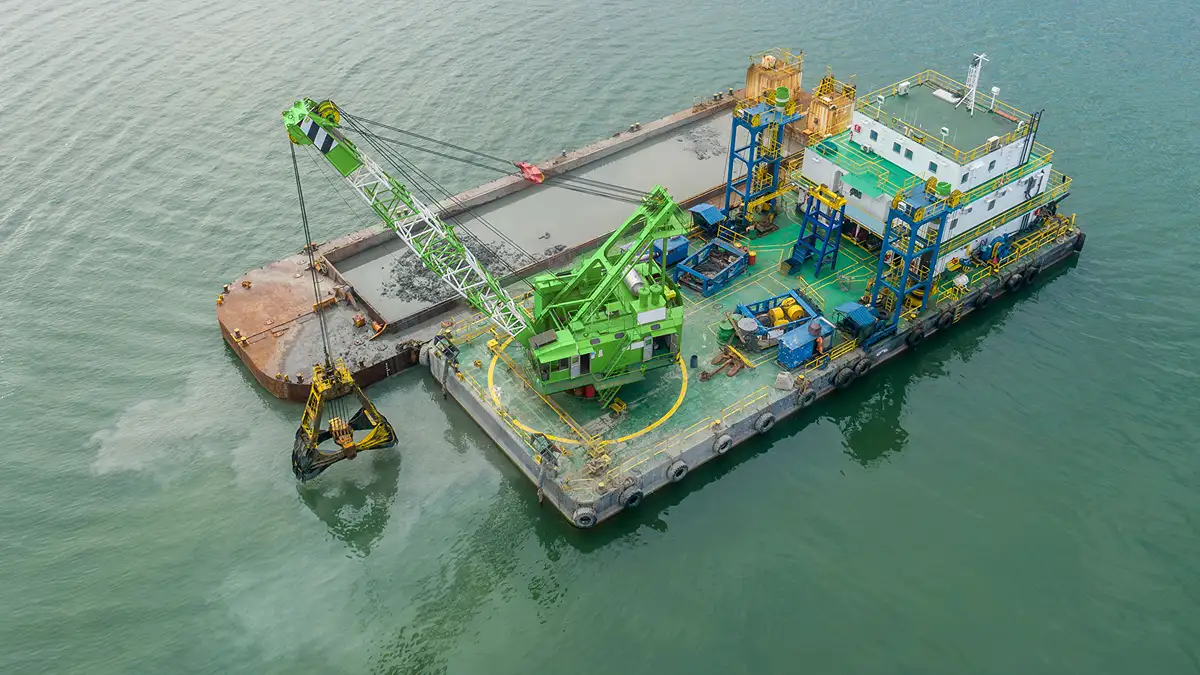
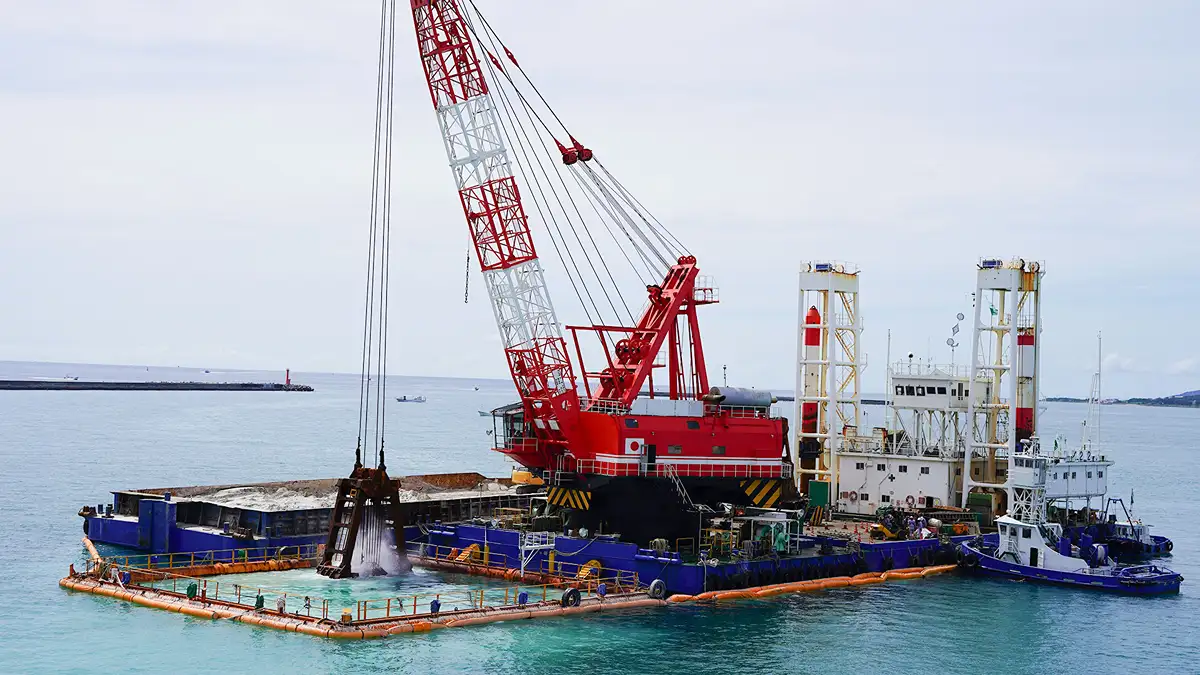
Bama Dredge’s services are designed to support consistent, effective routine dredging across a wide range of Alabama waterways. Core capabilities include hydraulic dredging for efficient sediment transport, mechanical dredging for targeted removal in tighter or debris-heavy areas, and controlled sediment removal suited to both inland and coastal environments. Each project begins with an evaluation of the waterway’s depth, flow conditions, sediment composition, and operational use. This allows dredging methods to be selected based on real conditions rather than assumptions. By aligning equipment and techniques with each site’s specific needs, Bama Dredge services help maintain stable channel dimensions and reliable access over time.
Equipment and Operational Approach
Modern dredging equipment plays a key role in project efficiency and accuracy. Bama Dredge services utilize equipment designed to maintain consistent depths while limiting unnecessary disturbance to surrounding areas. Careful positioning, controlled excavation, and measured pumping rates help keep projects on schedule and within defined boundaries. This operational approach reduces downtime for waterway users and limits interruptions to nearby activities, including marina operations, commercial traffic, and shoreline work.
Environmental and Regulatory Compliance
Routine dredging must balance access needs with environmental responsibility. All Bama Dredge services are performed in compliance with state and federal requirements, including sediment handling and disposal practices. Responsible material management supports the long-term maintenance of navigable waterways by protecting water quality and surrounding ecosystems. By integrating compliance into every phase of the project, Bama Dredge helps clients meet operational goals while maintaining regulatory confidence and long-term waterway stability.
Routine Dredging in Action: Real-World Benefits in Alabama
Supporting Commercial River Traffic
Alabama’s inland river system plays a major role in moving bulk goods efficiently. On waterways such as the Tennessee River and the Tombigbee, routine dredging helps maintain the consistent channel depth needed for barge traffic. Manufacturers rely on these routes to move raw materials, while agricultural producers depend on them to ship grain, timber, and other products. When sediment buildup is controlled through regular dredging, vessels can operate at planned loads and schedules remain reliable. This consistency helps businesses manage costs and avoid delays that can affect production and delivery timelines.
Keeping Harbors and Marinas Operational
Coastal and inland marinas depend on stable water depth to remain usable year-round. Routine dredging supports fishing operations, charter services, and recreational boating in areas including Mobile, Dauphin Island, and Gulf Shores. Without regular maintenance, marinas can lose access during low tides or after heavy storms. Planned dredging helps preserve slip access, launch ramps, and navigation channels that local economies depend on, especially during peak tourism seasons.
Improving Safety and Reliability
Clear, well-maintained channels reduce grounding risks and navigation hazards. Routine dredging improves visibility of channel boundaries and allows vessels to move safely, even during periods of heavy traffic. These improvements lower insurance risks and increase confidence for both commercial operators and recreational boaters using Alabama’s waterways.
Beyond Routine Dredging: Integrated Waterway Maintenance with Bama Dredge
Sediment Management and Dewatering
Effective maintenance of navigable waterways includes proper handling of dredged material. Bama Dredge services support responsible dewatering and disposal practices that reduce environmental impact.
Planning and Long-Term Maintenance Support
By evaluating sediment patterns and waterway usage, Bama Dredge services help clients establish consistent dredging schedules instead of relying on emergency responses.
Collaboration with Public and Private Stakeholders
Municipalities, port authorities, and private operators often work together on maintenance projects. Bama Dredge services support coordinated efforts that keep waterways open and functional.
Environmental and Community Benefits of Routine Dredging
Water Quality Improvement
Removing excess sediment helps improve circulation and reduces stagnant conditions. Routine dredging supports healthier water movement in rivers and harbors.
Habitat Preservation
Maintained channels prevent excessive silt buildup that can affect aquatic habitats. Planned dredging supports balance rather than disruption.
Public Safety and Accessibility
Clear waterways improve access for emergency services and community use. This reinforces the importance of maintaining steady, navigable waterways across Alabama.
How Often Should Routine Dredging Happen?
Factors That Influence Frequency
There is no single schedule that works for every waterway. How often dredging is needed depends on several factors, including sediment accumulation rates, storm exposure, vessel traffic, and river flow patterns. In Alabama, frequent rainfall and seasonal storms move large amounts of sediment into rivers and channels. Areas with clay-heavy soils or upstream development often experience faster buildup. Commercial traffic can also accelerate maintenance needs by disturbing sediment in active channels. These conditions mean Alabama waterways typically require more frequent attention than waterways in drier regions.
Adaptive Maintenance Planning
Effective routine dredging relies on flexibility rather than fixed timelines. Maintenance schedules are adjusted based on inspections, usage levels, and recent weather events. This adaptive approach allows dredging to be performed when it is most effective, preventing excessive buildup while avoiding unnecessary work. By responding to real conditions, routine dredging keeps waterways open and reliable without causing avoidable disruptions to operations or the surrounding environment.
Choosing the Right Partner for Waterway Maintenance
Why Experience Matters
Waterway maintenance is not a simple or generic task. Dredging requires a clear understanding of local waterways, sediment behavior, equipment capabilities, and regulatory requirements. Each river, harbor, or channel behaves differently based on flow, soil type, and surrounding land use. Poor planning or unfamiliarity with local conditions can lead to inefficient dredging, unexpected delays, higher costs, and even compliance issues. An experienced dredging partner anticipates these challenges, selects the right approach, and executes the work with minimal disruption to waterway users.
Why Choose Bama Dredge
Bama Dredge brings regional knowledge and hands-on experience that directly benefits Alabama waterway projects. With a strong understanding of local conditions and operational demands, Bama Dredge services are designed to deliver practical, reliable results. This experience supports the consistent maintenance of navigable waterways by keeping channels open, schedules predictable, and long-term performance in focus. For organizations responsible for water access, working with a proven local partner reduces risk and improves outcomes across every stage of maintenance.
Conclusion
Alabama’s waterways are essential to commerce, safety, and community life. Keeping them navigable requires foresight and consistency. Routine dredging is not a reactive task but a long-term investment in access and reliability. By combining practical planning, local experience, and proven methods, Bama Dredge services help ensure Alabama’s rivers, ports, and channels remain functional year after year. For organizations responsible for water access, maintaining steady, navigable waterways supported by experienced professionals protects both operations and communities across the state.